The Costa lab investigates mechanisms of neurodegeneration and conducts studies towards the development of therapeutics for neurodegenerative diseases.
While we have been focusing our research primarily on the fatal polyglutamine disorder Machado-Joseph disease (MJD), also known as Spinocerebellar ataxia type 3 (SCA3), we are also interested in expanding our research programs to other neurodegenerative diseases.
Our lab is currently interested in:
- Investigating mechanisms that regulate the abundance of the mutant ATXN3 gene products in MJD/SCA3.
- Developing therapeutic approaches for MJD/SCA3 and other polyglutamine diseases.
- Understanding the function of native and mutant polyglutamine proteins.
To conduct our research we use mouse models, control and disease human cell lines including human embryonic stem cells (hESCs) and induced pluripotent cells (iPSCs), human brain and retina tissues, drug and genetic screens, biochemistry, and molecular and cellular biology techniques.
Here’re some examples of our models:
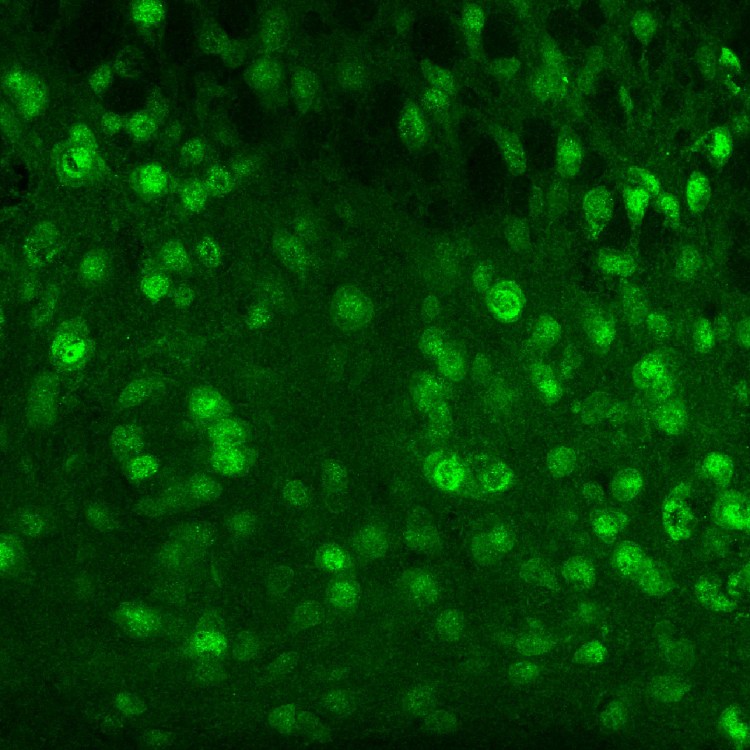
human mutant ATXN3 (green) nuclear accumulation in pontine neurons of YACMJD84.2 transgenic mice.
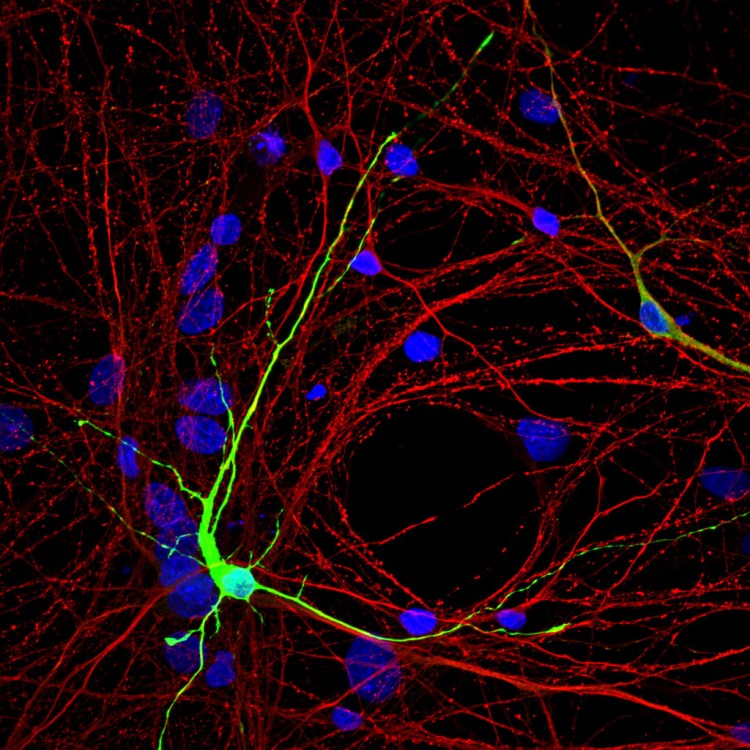
SCA3 hESC-derived midbrains neurons expressing beta-TubulinIII (red). Tyrosine-hydroxylase (TH)-positive neurons are labeled in green. Cell nuclei are detected with DAPI (blue). unpublished
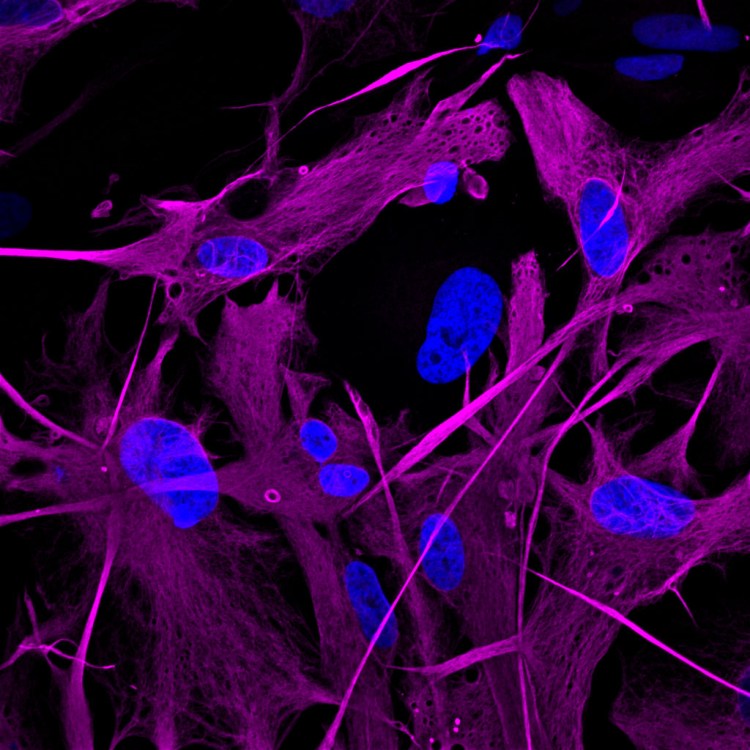
SCA3 hESC-derived astrocytes expressing GFAP (purple). Cell nuclei are detected with DAPI (blue). unpublished
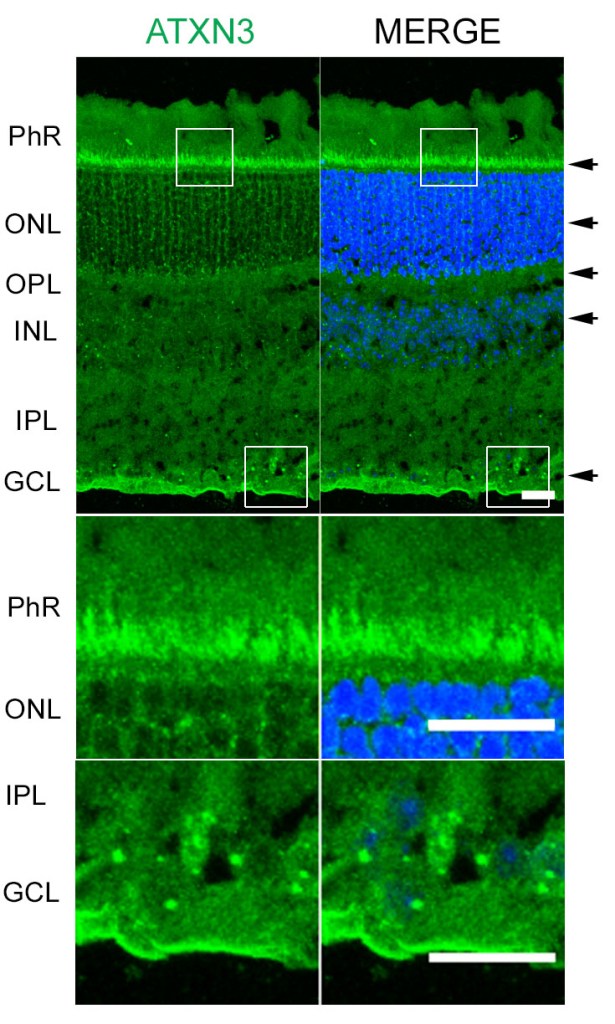
Human mutant ATXN3 (green) accumulates in the phoreceptors (PhR), outer nuclear layer (ONL), outer plexiform layer (OPL), inner nuclear layer (INL) and ganglion cell layer (GCL) of YACMJD84.2 transgenic mouse retina. Cell nuclei are detected with DAP (blue). Adapted from Toulis et al. 2022
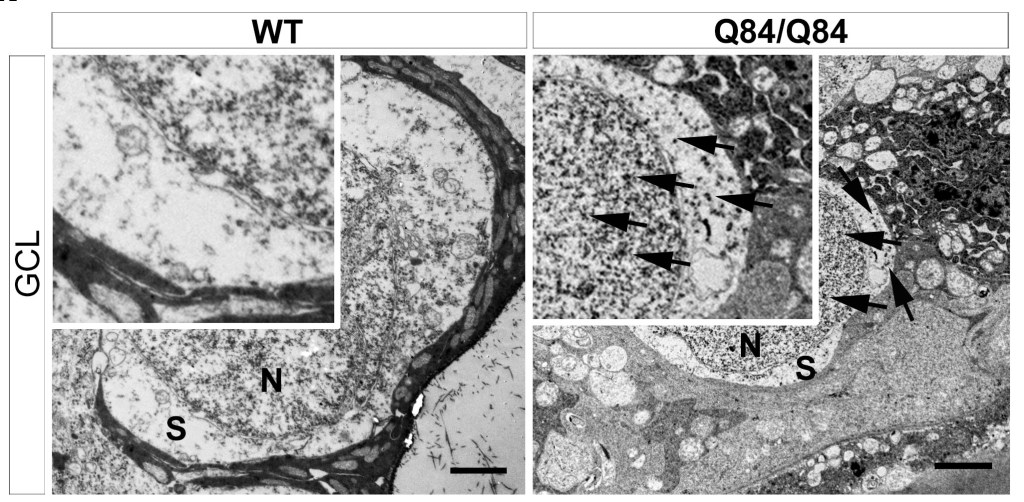
Accumulation of negative electrodense particles in the nuclei and soma of ganglion cells of YACMJD84.2 mouse retina. Adapted from Toulis et al. 2022
News
04/01/2025 – Hello MSU!!!! Costa Lab remodeling is still ongoing, but expected to be completed mid-April. Pictures coming soon 🙂

03/31/2025 – Last day at the University of Michigan. The freezers are moved to MSU. Goodbye to Louisa Liu – at our empty Costa lab at UofM. Louisa is joining the Sharkey and Paulson labs.
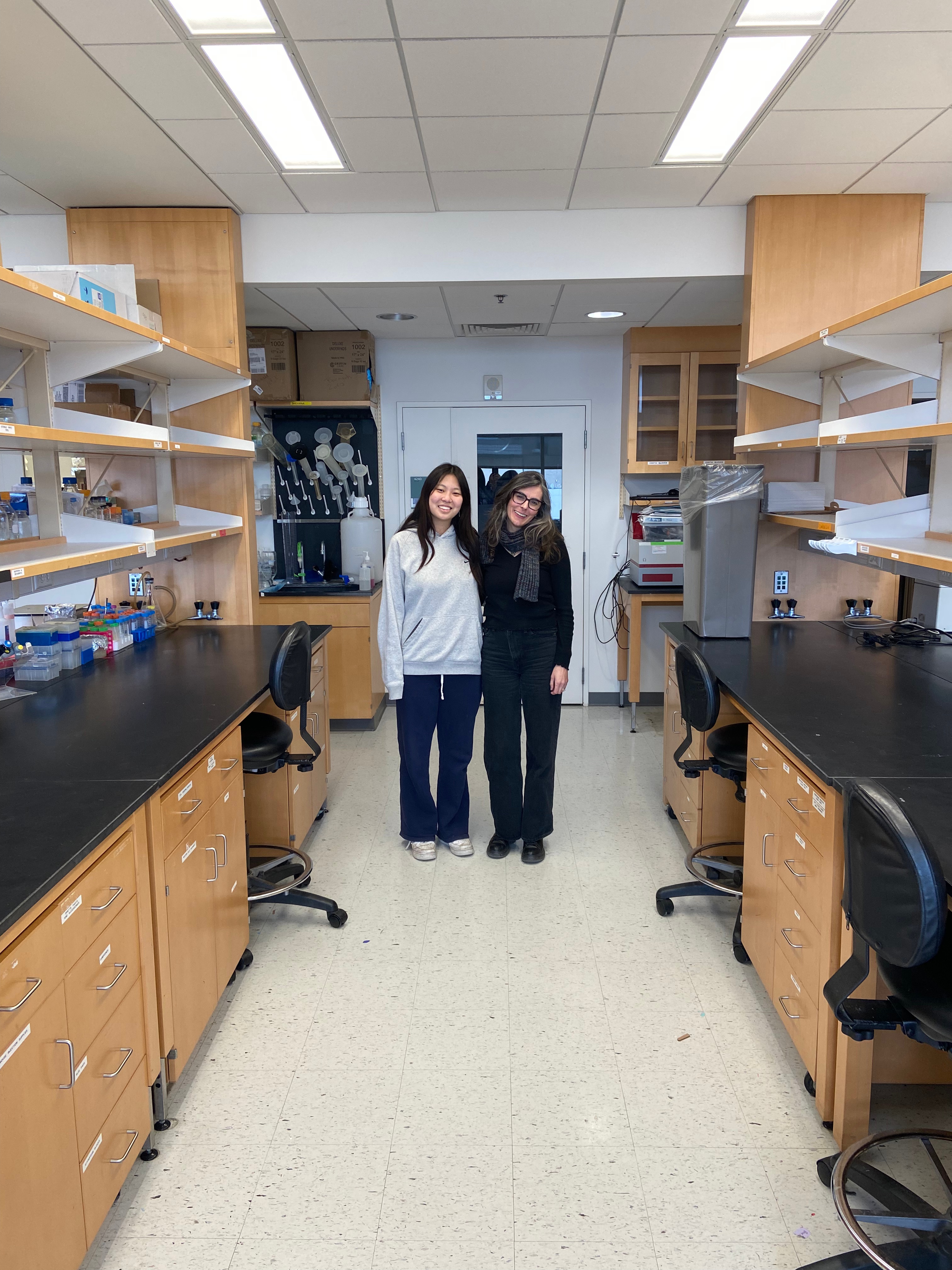
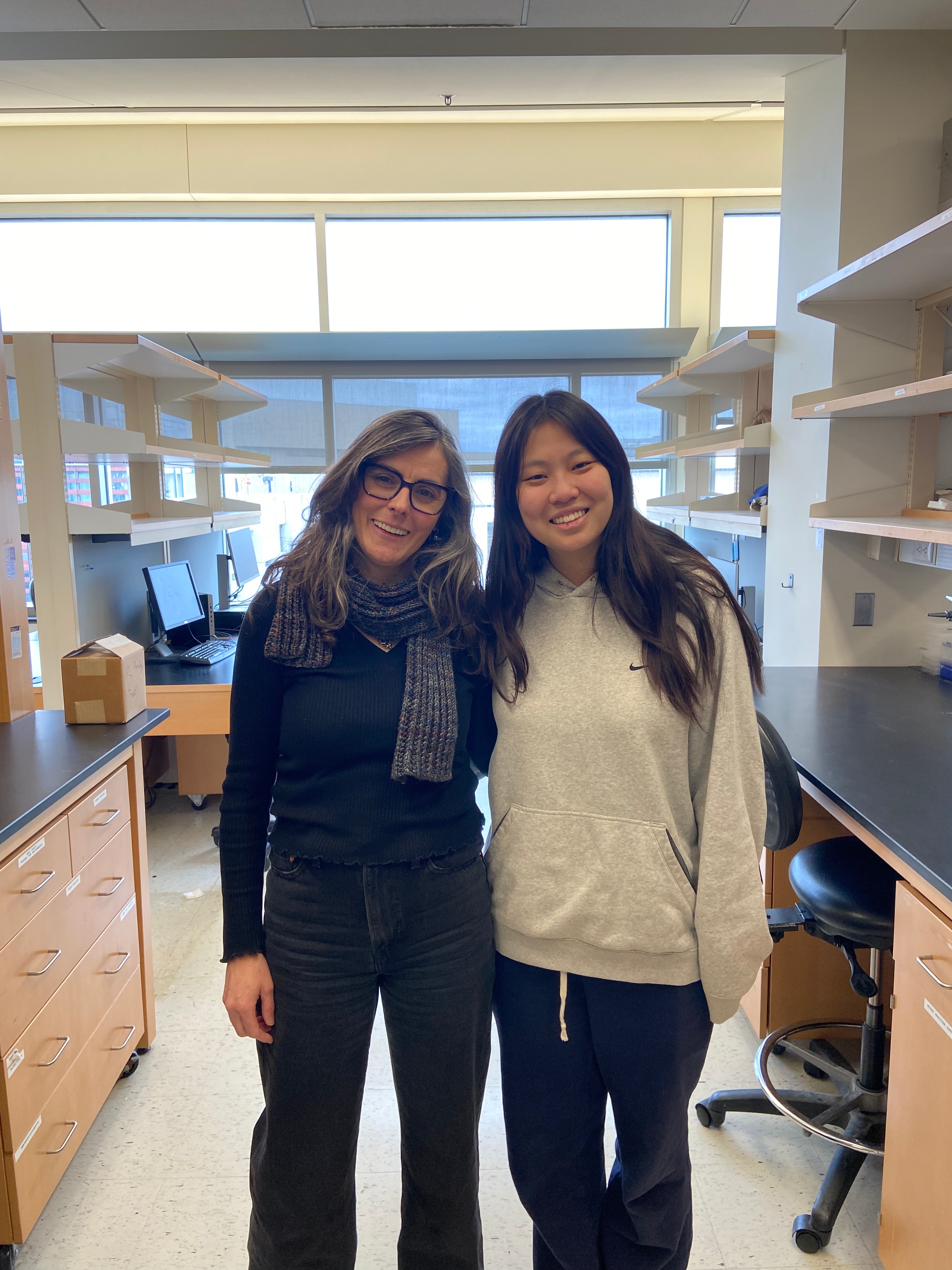
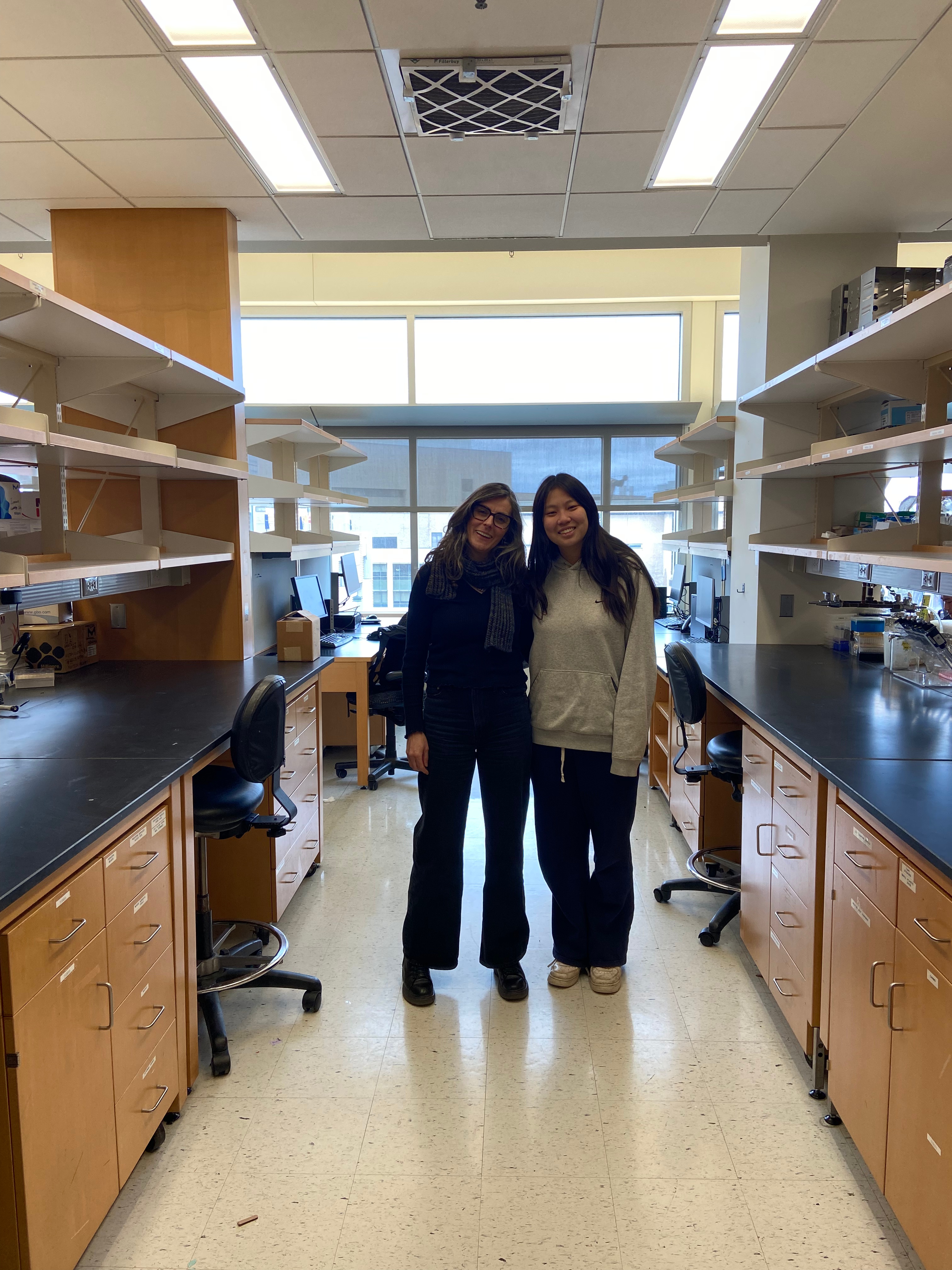
03/26/25 – The Costa lab at the University of Michigan is all packed and ready to be moved to MSU!

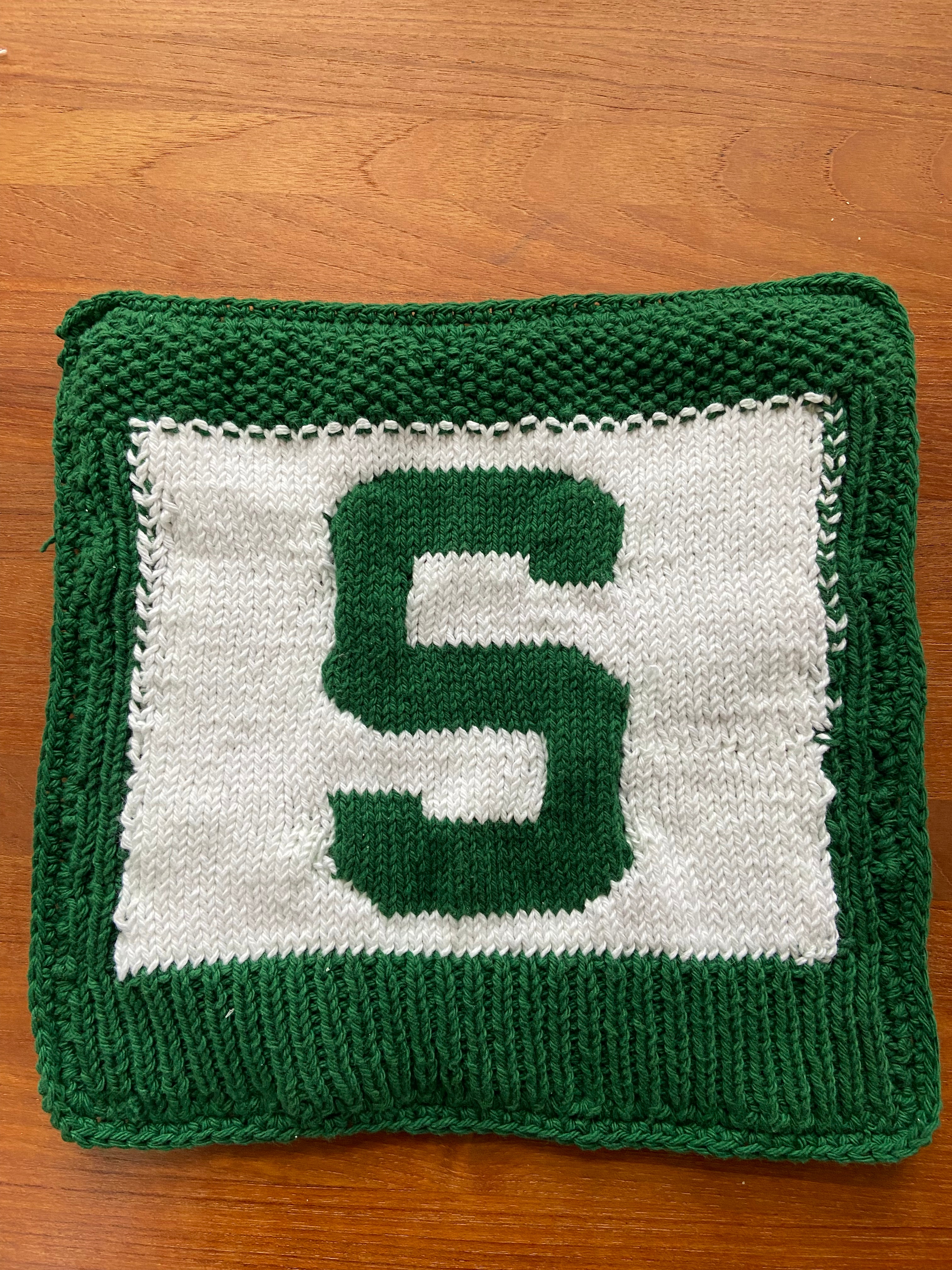
03/26/2025 – Goodbye friends and collaborators from UofM! Hank Paulson kindly made a cake for Carmo’s send off! Amy Krans so kindly made a hotpad with Spartan’s themes for Carmo! 🙂
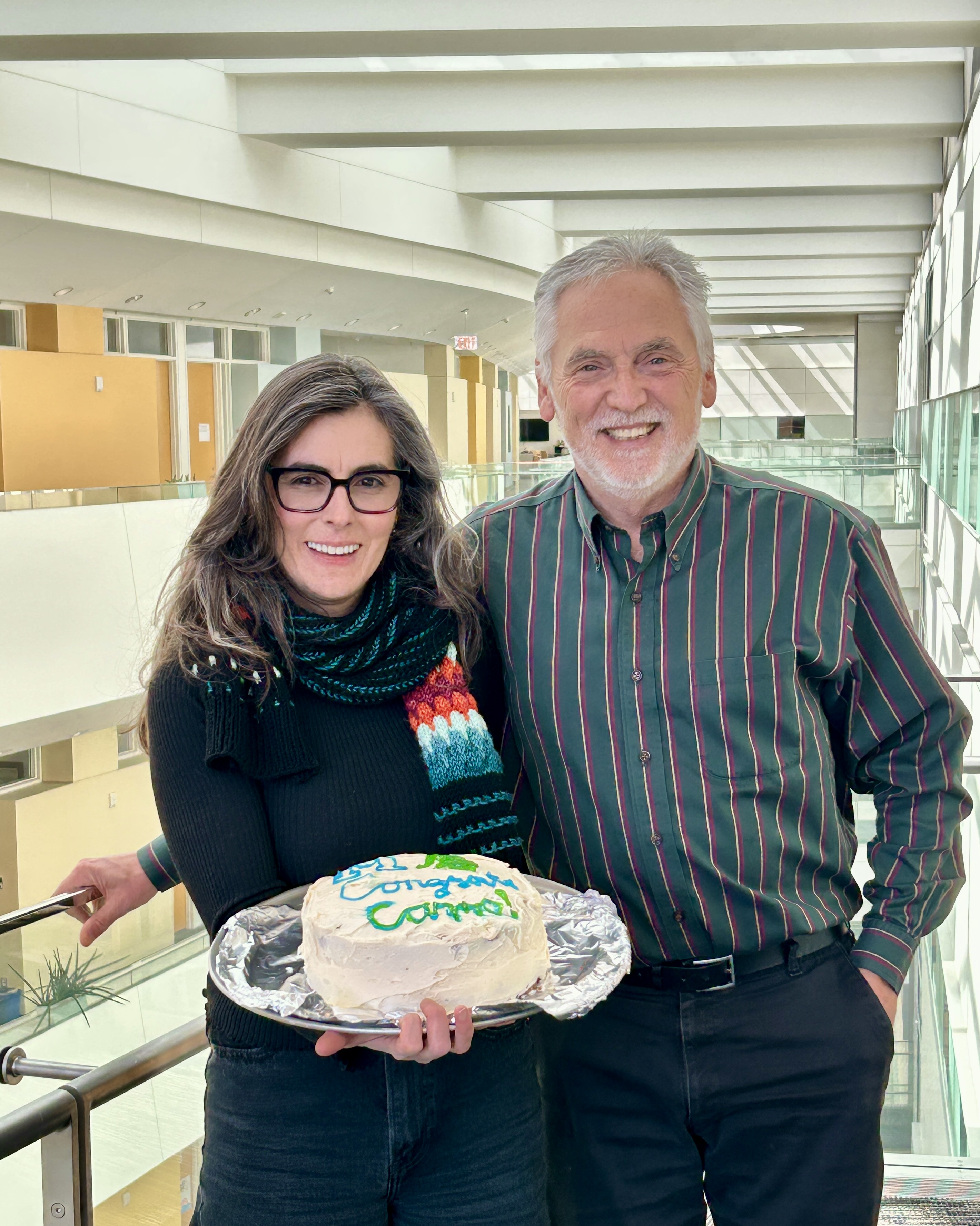
02/12/2025 – Carmo signs an offer to join the Department of Pharmacology and Toxicology at Michigan State University (MSU) as an Assistant Professor (tenure system). The Costa Lab is moving to MSU!!!!
02/04/2025 – Ana Ferreira‘s PhD thesis paper “Blood DDIT4 and TRIM13 Transcript levels mark the Early Stages of Machado-Joseph Disease” in collaboration with Dr. Manuela Lima’s laboratory is published in Annals of Neurology.
11/12/2024 – 11/15/2024 – Carmo attends the International Congress of Ataxia Research in London, UK, and presents two posters from the lab (Trumza S et al.; Liu L et al.).
03/01/2024 – The Costa lab receives the Pioneer SCA3 Translational Award, National Ataxia Foundation to conduct studies “Investigating the efficacy of aripiprazole related compounds as a therapeutic option for SCA3“.
02/27/2024 – Our collaborative work with the laboratory of Dr. Manuela Lima “Blood and cerebellar abundance of ATXN3 splice variants in spinocerebellar ataxia type 3/Machado-Joseph disease” is published in Neurobiology of Disease.
08/15/2023 – The editorial of the special issue edited by us “Editorial: The role of posttranslational modifications in polyglutamine diseases” is published in Frontiers in Molecular Neuroscience.
08/15/2023 – Our collaborative work with the laboratories of Dr. Hayley Mcloughlin and Dr. Matthis Synofzik “Blood levels of neurofilament light are associated with disease progression in a mouse model of spinocerebellar ataxia type 3” is published in Disease Models & Mechanisms.
05/17/2023 – Ana Ferreira‘s PhD thesis paper “Tissue-specific vulnerability to apoptosis in Machado-Joseph disease” in collaboration with Dr. Manuela Lima’s laboratory is published in Cells.
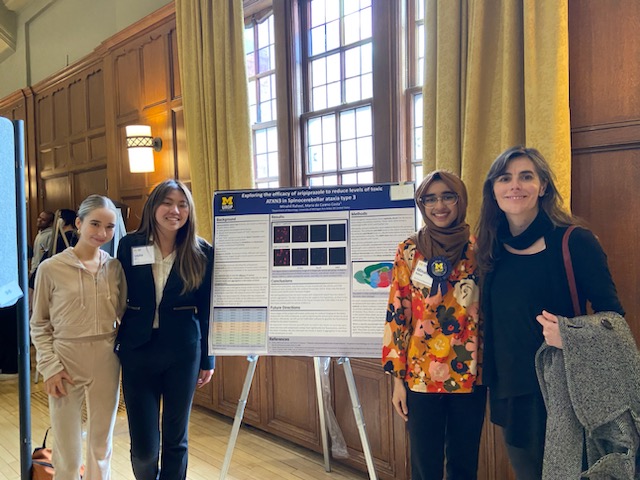
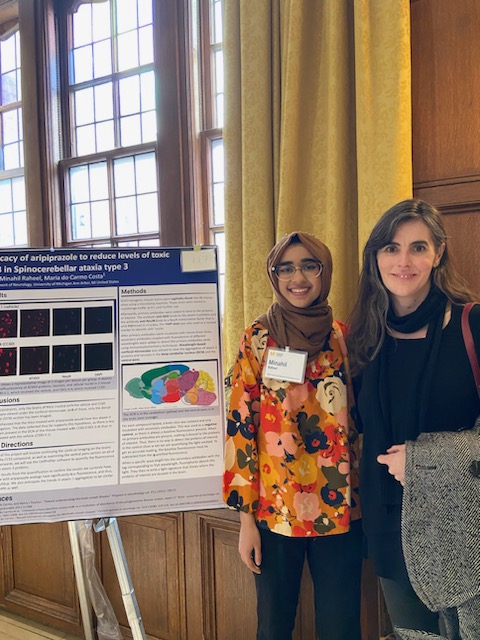
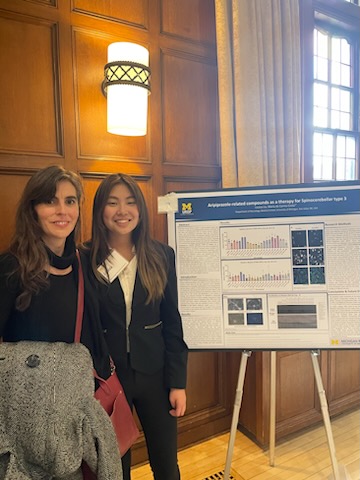
04/19/2023 – Louisa Liu and Minahil Raheel present their posters at the UROP Symposium 2022-23 – great job! Minahil also received a blue ribbon award for exemplary research poster presentation!
04/14/2023 – Our paper “Regional and age-dependent changes in ubiquitination in cellular and mouse models of Spinocerebellar ataxia type 3” is published in Frontiers of Molecular Neuroscience, section of Brain Disease Mechanisms, research topic “The role of post-translational modifications in polyglutamine diseases”.
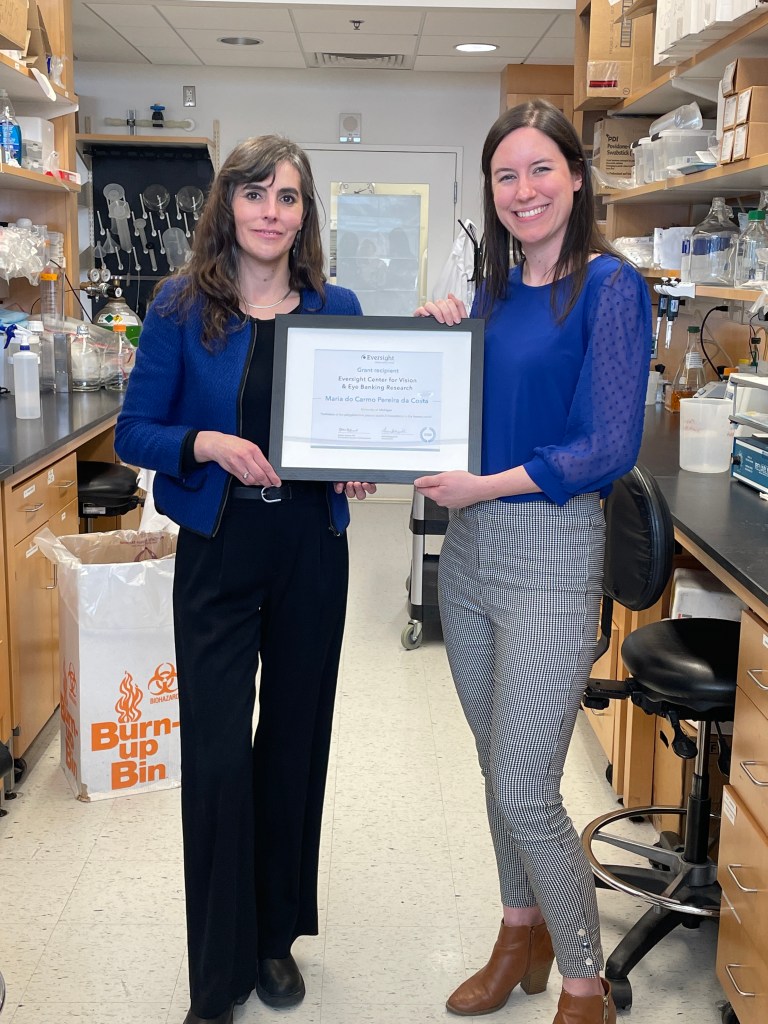
02/10/2023 – Ebony Johnson and Becky Harris from Eversight visit the Costa lab to hand in person the certificate for the Eversight Center for Vision & Eye Banking Research Award to Carmo. The goal of the one-year funded project (January-December 2023) is to define the interactome of the polyglutamine protein ATXN3 in the human retina.

11/11/2022 – Ana Ferreira defends her PhD thesis (supervised by Dr. Manuela Lima and Dr. Carmo Costa) – Ana is now a Doctor in Biology from the University of Azores. Congrats Ana!

11/01-04/2022 – Carmo presents a flash-talk (Barget et al. (a)) and two posters (Tsimpanouli et al.; Barget et al. (b)) at the International Congress for Ataxia Research (ICAR 2022) in Dallas, TX, USA
10/05/2022 – Our collaborative work with Dr. Brendon Watson “Sleep alterations in a mouse model of spinocerebellar ataxia type 3” is published in Cells.
08/19/2022 – the Costa Lab (academic partner) and Enzerna BioSciences start a Small Business Innovation Research (SBIR) program funded by the National Institutes of Health (NIH) to develop an allele-specific protein-based therapeutic targeting the pathogenic RNA associated with Spinocerebellar ataxia type 3. This is a milestone program for three years.
 Costa Lab